From Complaint Handling to Complaint Learning.
Heritage Signal OS is a first-of-its-kind AI complaint intelligence operating system that helps museums and heritage venues convert fragmented visitor complaints into explainable root-cause diagnosis, hidden accessibility-risk detection, operational interventions, and continuous service-improvement learning.
A Closed-Loop Platform, Built to Prove Real Operational Value
The MVP is designed to validate one thing first: that fragmented visitor complaints can be converted into structured, explainable operational intelligence that heritage venues can act on — not theoretical AI dashboards.
One Reasoning Loop. Every Visitor Complaint.
Heritage Signal OS connects emails, surveys, reviews, social media, ticket-desk notes and accessibility reports into one closed-loop operational layer — diagnosing root causes before they become repeat failures, not after.
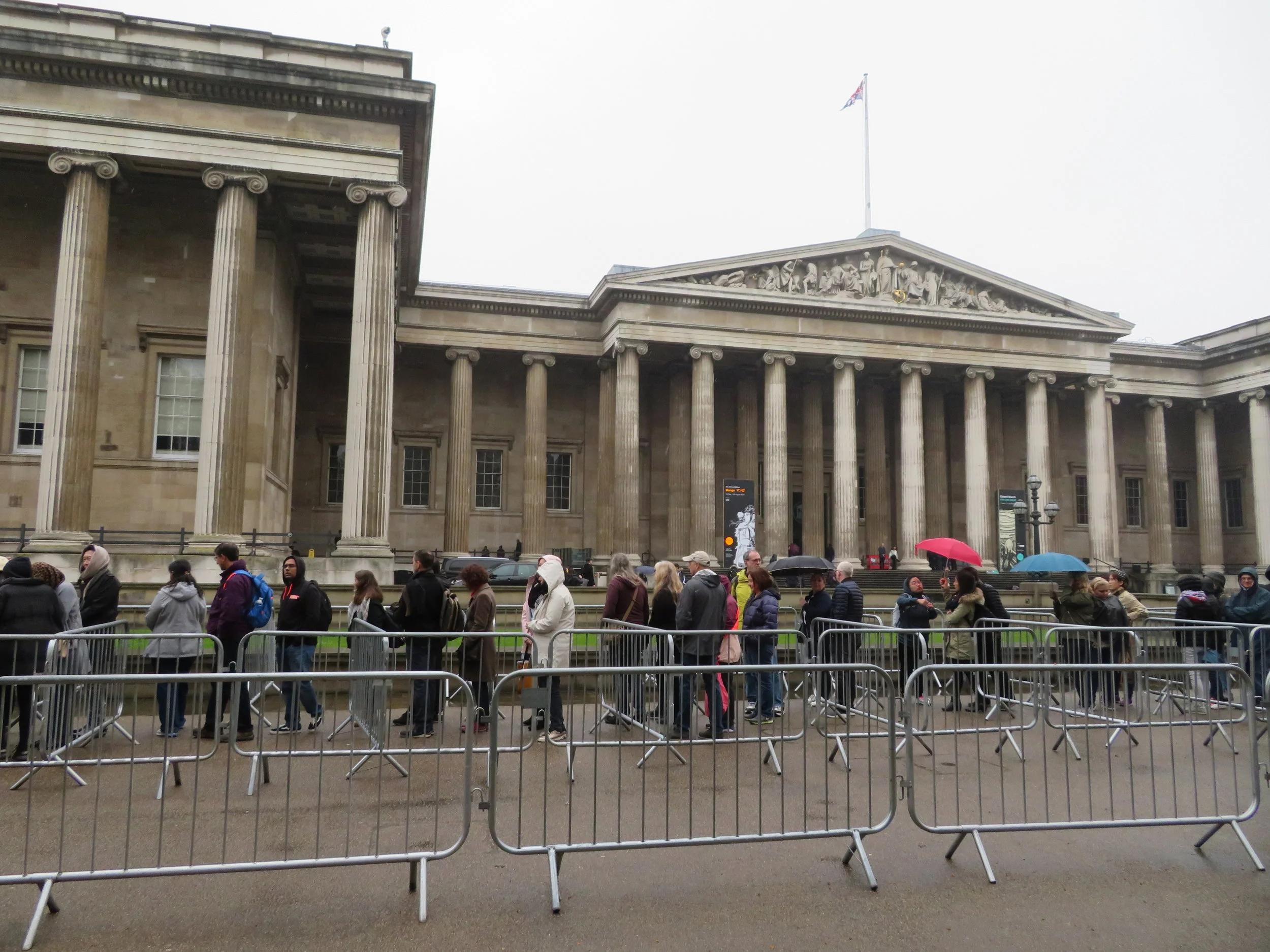 Signal Graph
Heritage Operations Signal Graph
Connects visitor complaints to journey stages, locations, ticket types, visitor segments and operational teams.
 Reasoning Engine
Journey-Cause Reasoning Engine
Analyses complaint language alongside operational context — staffing, events, ticketing, exhibitions — to find true root causes.
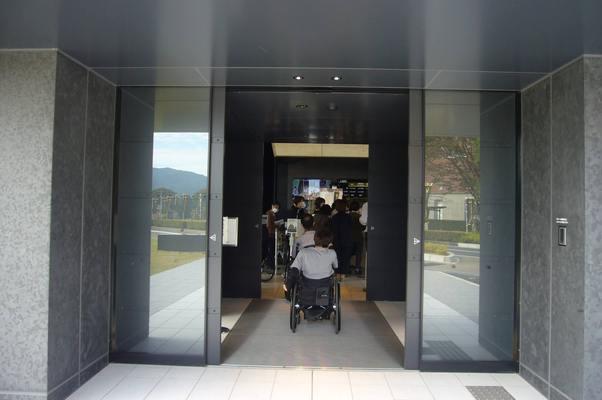 Access Risk
Hidden Accessibility Risk Detector
Detects implicit accessibility and inclusion issues even when visitors never use the word "accessibility".
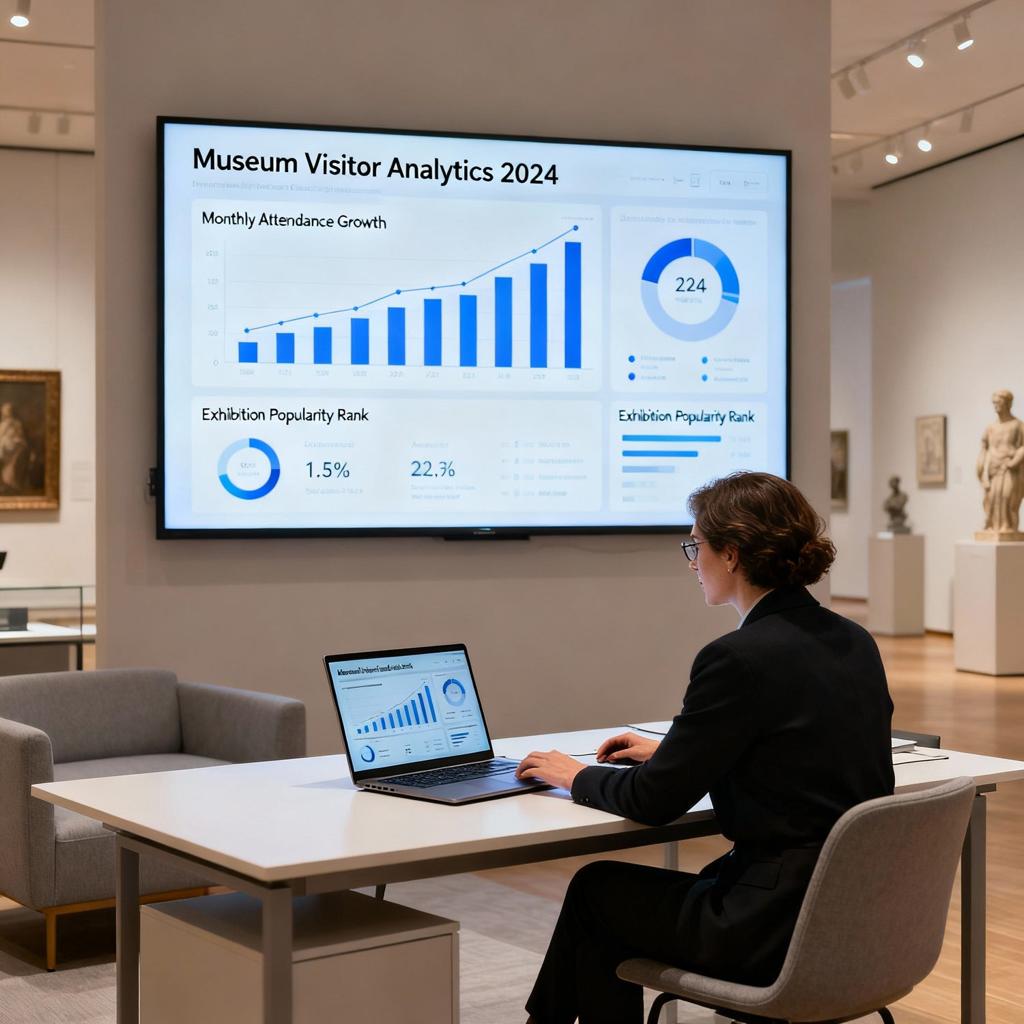 Friction DNA
 Profiler
Scores every complaint pattern across emotional intensity, accessibility impact, safety, revenue and reputational risk.
 Memory Loop
Intervention Memory Loop
Tracks the corrective actions a venue takes and measures whether related complaints actually fall over time.
 Benchmarking
Anonymised Heritage Benchmark Layer
Compares complaint patterns, friction trends and accessibility performance anonymously across participating venues.
Built Exclusively for the UK Heritage Sector.
Learning, Not Just Logging
The system learns from real operational interventions and outcomes — not just static reporting after the fact.
Heritage-Specific Ontology
Built around timed-entry admissions, school visits, memberships, guided tours and accessibility routes — not generic CX categories.
Institutional Knowledge Equity
Complaint patterns and intervention outcomes become a permanent operational asset that survives staff turnover.
Sector-Fit Pricing
Tiered SaaS pricing from £1,500/year gives small and medium venues the same intelligence multi-site national bodies rely on.
Sits Above Existing Systems
Ingests data from CRM, ticketing, survey and review platforms — no need to replace your existing tech stack.
Accessibility & Inclusion Impact
Identifies hidden access barriers early, supporting Equality Act compliance and stronger, more inclusive visitor experiences.
Turning Visitor Voice into Operational Intelligence.
Heritage Signal OS is a UK-based SaaS company developing an AI-powered complaint intelligence and visitor experience optimisation platform for museums, heritage organisations, galleries, historic properties and cultural attractions — converting fragmented visitor feedback into actionable operational insight.
Closed-Loop Learning for UK Heritage Venues
Heritage Signal OS exists to help UK museums, heritage venues and visitor attractions convert unstructured visitor complaints into explainable root-cause intelligence, prioritised operational interventions, and closed-loop learning that reduces repeat failures, mitigates accessibility risks, and improves visitor satisfaction.
The Global OS for Learning From Visitor Complaints
To become the global operating system for learning from visitor complaints in the cultural and heritage sector — transforming fragmented feedback into measurable service excellence, accessibility safety, and trusted public experiences.
The Principles Behind the Platform
Evidence-Based
Every recommendation is explainable, showing the visitor comments and operational context that support it.
Accessibility-First
Inclusion risk detection is embedded in the core product, not bolted on as a compliance afterthought.
Sector Specialism
A heritage-specific ontology built around real visitor journeys, exhibitions and accessibility routes.
Continuous Learning
Every implemented intervention feeds back into the system, sharpening future recommendations.
Trust & Transparency
UK GDPR-compliant architecture with explainable, auditable reasoning for every public-sector decision.
UK-Rooted, Global Ambition
Validated in the UK heritage sector first, with a phased path to Ireland, Europe, Australia, Canada and the US.
Meet the Founder
Priya Monga
Priya Monga brings more than ten years of customer engagement, complaint handling and quality-assurance experience, including a decade at Concentrix as a Quality Advisor monitoring service failures and coaching teams on complaint trends. She currently works as Customer Engagement Executive at the National Museum of the Royal Navy, giving her direct, first-hand exposure to museum operations, visitor journeys, accessibility considerations and the limitations of existing feedback-management processes. Her MSc in Project Management (University of Portsmouth) supports stakeholder management, risk identification and technology implementation as the platform scales. Technical architecture is led by CTO Oshada Eranga, a senior software engineer with five years' experience in scalable backend systems, Java/Spring Boot microservices and fintech-grade API integrations.
Built by Someone Who Lives the Problem Daily
Priya's daily exposure to visitor complaints and feedback at a UK museum directly informed the concept behind Heritage Signal OS — identifying a gap existing CRM, survey and reputation-monitoring tools simply weren't built to fill. CTO Oshada Eranga brings deep distributed-systems and API-management expertise, ensuring the platform scales securely across many venues and data sources.
The Heritage Complaint Reasoning Loop
A unified, closed-loop intelligence platform that converts fragmented visitor feedback — emails, surveys, ticket-desk notes, reviews, social media and accessibility reports — into structured operational diagnosis, prioritised interventions, and measured outcomes.
Heritage Operations Signal Graph
Ingests multi-channel inputs and maps them into a relational topology of visitor touchpoints, timed admissions, galleries, and front-of-house teams. Surfaces hidden interdependencies across disparate operational nodes.
Journey-Cause Reasoning Engine
Combines semantic natural language processing with operational variables (temporary closures, exhibition turnover, weather, ticketing bottlenecks) to diagnose systemic root causes rather than surface symptoms.
Hidden Accessibility Risk Detector
Continuous scanning for implicit accessibility friction — sensory overload, broken step-free transit, auditory masking, seating deficits — safeguarding inclusion and Equality Act compliance.
Friction DNA Profiler
Multi-dimensional scoring index evaluating emotional intensity, reputational exposure, revenue impact, and safety risks, allowing curators and directors to direct resources where they matter most.
Intervention Memory Loop
Tracks managerial actions and corrective interventions against subsequent visitor sentiment, verifying whether corrective actions resolved the failure or if secondary adaptations are necessary.
Anonymised Heritage Benchmark Layer
Secure, privacy-preserving cross-institution comparative analysis, giving participating heritage bodies unprecedented visibility into sector-wide standards and best practices.
Built for Every Type of Heritage Venue.
National Museums
Sector-specific intelligence for national museums and museum groups managing high visitor volumes and complex feedback channels.
Regional Museums
Affordable, evidence-based operational improvement for regional and local-authority museums with limited digital infrastructure.
Historic Houses & Estates
Complaint intelligence tuned to historic buildings, accessibility routes and grounds-based visitor journeys.
Heritage Trusts
Governance-ready reporting for heritage trusts and conservation organisations balancing public accountability and resource constraints.
Visitor Attractions
Early-warning monitoring for visitor attractions and cultural venues navigating seasonal peaks and major exhibitions.
Multi-Site Organisations
Cross-site benchmarking and centralised dashboards for multi-site heritage organisations and national bodies.
From Fragmented Complaints to Measured Operational Improvement
Validation & MVP Launch
CSV upload, email-export ingestion, AI-powered complaint clustering, heritage-specific taxonomy, root-cause categorisation, accessibility-risk detection, manager correction loops, intervention tracking and monthly recommendation reports — secured with 5–8 design-partner venues during Months 1–8.
Founder-led customer discovery and a structured pilot programme convert 3–5 early venues into paying contracts, with revenue generation beginning in Month 8.
Product Refinement & Early Growth
Version 1.0 launches with basic API integrations, enhanced analytics dashboards, real-time operational monitoring and benchmarking functionality, growing the customer base from ≈10 to ≈42 organisations.
The anonymised benchmarking network goes live, comparing complaint patterns, Visitor Friction DNA and intervention effectiveness across participating institutions.
Sector Leadership & Scalable Growth
Version 1.5–2.0 adds early-warning operational anomaly detection, automated draft responses, cross-department task routing and national heritage intelligence reporting.
Target of ≈51 paying venues and £740.5K in annual revenue, with international expansion into Ireland, Europe, Australia, Canada and the US — international localisation and US entry phased across Years 4–5+.

Built on a Realistic, Evidence-Led Roadmap
£740.5K Year 3 Revenue
Across ≈51 paying venues, reaching cash-flow positivity throughout the entire 36-month plan.
20–30% Repeat-Complaint Reduction
Demonstrating that the closed-loop learning model actually resolves systemic operational failures.
15–20+ Benchmark Participants
Creating the first collective intelligence dataset for complaint and accessibility trends in heritage.
A £27.5M+ UK Heritage Complaint-Intelligence Opportunity
The UK heritage sector contains 2,200+ museums, galleries, historic houses and visitor attractions. Heritage-related visitor spending reached £11.5bn (domestic day), £4.5bn (domestic overnight) and £12bn (international) in 2023 — yet most organisations still manage feedback through fragmented spreadsheets and inboxes.
3-Year Revenue & Customer Growth
Annual revenue (£) vs. paying venues
Year 3 Revenue Mix by Stream
Subscriptions, add-ons and onboarding fees (£)
Multi-Channel Complaint Data Sources
Inputs fused into one intelligence layer
Heritage Signal OS vs. Existing Tools
Capability Comparison (0–5 Scale)
Comparison Table Existing Tools vs Heritage Signal OS
| Capability | CRM & Helpdesk (Salesforce, Zendesk) | Survey Tools (Qualtrics, SurveyMonkey) | BI / Analytics (Power BI, Tableau) | Heritage Signal OS |
|---|---|---|---|---|
| Root-cause analysis | ✗ | ✗ | User-defined only | ✓ |
| Hidden accessibility-risk detection | ✗ | ✗ | ✗ | ✓ |
| Cross-channel complaint fusion | Limited | Very limited | Manual setup | ✓ |
| Intervention outcome tracking | Basic ticket closure | ✗ | ✗ | ✓ |
| Anonymised cross-venue benchmarking | ✗ | ✗ | Limited / manual | ✓ |
| Heritage-specific ontology | ✗ | ✗ | ✗ | ✓ |
| Real-time early-warning alerts | Limited | ✗ | Depends on setup | ✓ |
SaaS Tiers That Scale With Your Venue
Annual SaaS subscriptions, priced by visitor volume, number of sites and operational complexity — plus a one-off onboarding fee and optional premium intelligence modules.
Core complaint intelligence for small heritage venues — CSV upload, clustering and monthly insight reports.
- CSV & email complaint ingestion
- Heritage-specific taxonomy
- Root-cause categorisation
- Monthly recommendation reports
Multi-channel ingestion, root-cause reasoning, accessibility-risk detection and intervention tracking.
- Everything in Starter
- Hidden Accessibility Risk Detector
- Friction DNA Profiler
- Intervention Memory Loop
Cross-site benchmarking, centralised dashboards, role-based access and enhanced reporting.
- Everything in Professional
- Cross-site benchmarking
- Centralised dashboards
- Role-based access control
Full API integrations, governance controls, custom taxonomies and board-level reporting.
- Everything in Group
- Full API integrations
- Custom heritage taxonomies
- Dedicated success management
Onboarding fee: 25% of first-year subscription · Premium intelligence add-ons available from Year 2
Frequently Asked Questions
What problem does Heritage Signal OS actually solve?
Do we need to replace our existing CRM or ticketing system?
How is this different from a survey tool or BI dashboard?
How does the platform detect accessibility risks?
Is the platform UK GDPR compliant?
What results does the plan target?
Request a Demo of Heritage Signal OS
Let's Turn Complaints Into Improvement
Whether you run a single historic house or a national museum group, our team will walk you through how Heritage Signal OS fits your venue's complaint and accessibility workflows.